Federico Cantú & Gloria Calero Febrero mes del amor y la amistad
Federico Y Gloria se conocieron a finales de 1935 y se relacionaron intensamente desde el inicio del año 36 en la época que llegaba de Francia Antonin Artaud para instalarse en el Atelier de Federico en la ciudad de México, es tambien la época de la GAM , donde Federico presentaba parte de su obra Picassiana “ recién desempacado de Francia –como decía Inés Amor “ , en ese momento se publicaba en diferentes periódicos alguna nota de arte una de ellas de Chano Urueta que estaba casado con su prima- Gloria Calero Sierra: Mi papá contaba como un dia llego el abuelo todo golpeado despues de una disputa con Chano por un fuerte lio de faldas!, todo esto termino en divorcio fast track dando cabida a un nuevo matrimonio que duraría mas de medio siglo.
New York Marzo 2 de 1939
Queridísima Gloria no sabes con que tristeza leí tu carta que me llego ayer por la mañana (1 de marzo 1939) durante todo el dia estuve triste y luego por la noche no pude dormir pensando en nuestra vida. Recordé todo y no deje un solo detalle fuera de nuestro primer beso , de las noches satánicas y repugnantes que siguieron a tu invitación de suicidio. Ahí todos estábamos muy mal, tres personas dignas de una película de Jorge Miranda o de el mismo Chano a quien en esa ocasión le toco ser actor.
Despues recordé con dulzura nuestros días miserables que casi comíamos amor, se me llenaban de lagrimas los ojos, viendo otra vez tu retrato con la blusa blanca , es lo mas malo que he pintado pero no me atrevo a destruirlo, por en cambio lo miro y un montón de recuerdos me atropellan la memoria…….Federico
En la composición fotografía que vemos recrea una semblanza sumamente interesante ; primeramente por los dos oleos pintados por Federico en 1936 y adquiridos por MacKinley Helm y su esposa Frances Lathrop Hammond , mismo que hoy se encuentra dentro de la Colección del Museo de Santa Bárbara en California . Al centro vemos a las dos parejas fotografiadas en el jardín la casa de San Miguel Allende en 1943
Bo
Febrero 2023
Archivo documental Cantú Y de Teresa
MacKinley Helm (born 1896; died 1963) was an American writer and collector.
Books:5
· 1936: After Pentecost: a history of Christian ideas and institutions from Peter and Paul to Ignatius of Antioch. New York: Harper
· 1941: Modern Mexican Painters. New York: Harper
· 1942: Angel Mo' and her son, Roland Hayes. Boston: Little, Brown
· 1946: A Matter of Love, and other baroque tales of the provinces. New York: Harper
· 1948: John Marin. Boston: Pellegrini & Cudahy (reissued: New York: Kennedy; Da Capo Press, 1970)
· 1948: Journeying through Mexico. Boston: Little, Brown
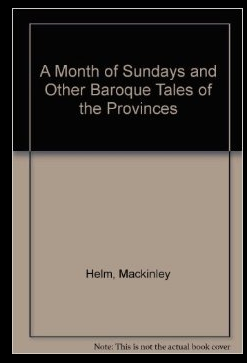
· 1949: A Month of Sundays, and other baroque tales of the provinces. London: Harvill Press
· 1953: Spring in Spain. London: Gollancz
· 1953: Man of Fire; J. C. Orozco: an interpretative memoir. Boston: Institute of Contemporary Art
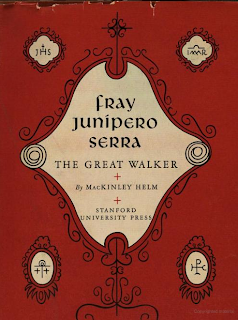
· 1956: Fray Junipero Serra: the great walker. Stanford, Calif.: Stanford University Press (play)
Frances Lathrop Hammond Helm 18 Abr 1894- 13 Ene 1973 (de 78 años de edad)
Helm married Frances Lathrop Hammond (1894–1973)
Federico Cantú met Dr Helm in New York during the period of the late 1930s,
From there began a Friendship of a lifetime, the correspondence and the experiences that both friends lived are reflected throughout a series of letters that Frederick treasured and that today remains within the CYDT art collection
Mrs. Hammond
Children:
Francis Hammond; Gardiner Greene Hammond, III; George Fiske Hammond; Elizabeth Crowninshield Hammond; Esther Beebe Hammond; Mary C Hammond
Daughter of George Jenckes Fiske and
Frances Lathrop "Fannie" Beebe
Marriage
To Gardiner Greene Hammond, Jr.
On 8 Jun 1893 at Falmouth, Massachusetts St Barnabas Church
After summering in Santa Barbara for several years, Esther chose to make it her primary home. She and her children occupied the Montecito beachfront estate "Bonnymede" from 1910 to 1955, first renting, then buying in 1912. Within the next few years she had purchased all of the property that is bordered by the 101 freeway and the Pacific Ocean, Olive Mill Road and Eucalyptus Lane.
Known as a sportswoman, Esther enjoyed ocean swims of several miles well into her seventies. The popular surfing spot "Hammonds" Reef & Beach was named for Esther & her family.
Although immensely wealthy, Mrs. Hammond felt it important to teach her six children the importance of industry and hard work. She started local family enterprises, such as the Bluebird Garage and Taxi Service and the Bluebird Ranch, where they drove taxis, learned auto repair, grew flowers for charity, raised vegetables, dairy cows, chickens, and provided work for returning World War I veterans.
Esther and her husband Gardiner were among the most respected of Boston's wealthy society. Family portraits of the couple and their children were painted by famous artists such as Mary Cassatt and John Singer Sargent. Gardiner died in 1921 of cancer at age 61 in New York City. He had remarried in 1917 and made his primary residence at Martha's Vineyard..
A Gardiner Greene Hammond, Jr.
El 8 de junio de 1893 en Falmouth, Massachusetts Iglesia de San Bernabé
Después de pasar el verano en Santa Bárbara durante varios años, Esther decidió convertirla en su hogar principal. Ella y sus hijos ocuparon la finca frente al mar de Montecito "Bonnymede" de 1910 a 1955, primero alquilando y luego comprando en 1912. En los años siguientes había comprado toda la propiedad que limita con la autopista 101 y el Océano Pacífico, Olive Mill Road y Eucalyptus Lane.
Conocida como deportista, Esther disfrutó nadando en el océano de varias millas hasta los setenta años. El popular lugar de surf "Hammonds" Reef & Beach fue nombrado por Esther y su familia.
Aunque inmensamente rica, la Sra. Hammond sintió que era importante enseñarle a sus seis hijos la importancia de la industria y el trabajo duro. Comenzó empresas familiares locales, como el Servicio de Taxi y Garaje Bluebird y el Rancho Bluebird, donde manejaban taxis, aprendían reparación de automóviles, cultivaban flores para caridad, criaban vegetales, vacas lecheras, pollos y proporcionaban trabajo para los veteranos que regresaban de la Primera Guerra Mundial. .
Esther y su esposo Gardiner estaban entre los más respetados de la rica sociedad de Boston. Los retratos familiares de la pareja y sus hijos fueron pintados por artistas famosos como Mary Cassatt y John Singer Sargent. Gardiner murió en 1921 de cáncer a los 61 años en la ciudad de Nueva York. Se había vuelto a casar en 1917 e hizo su residencia principal en Martha's Vineyard.
Mackinley Helm 4 Jul 1896-7 Abr 1963 (de 66 años de edad)
Michigan, USA
En este ensayo, el crítico y coleccionista norteamericano MacKinley Helm analiza la obra pictórica de aquellos artistas cuyo estilo y temática no se inscribían dentro de los postulados del muralismo ni tampoco de la llamada “Escuela Mexicana de Pintura”. Helm discute, en el contexto de las décadas de veinte y treinta, la evolución de Rufino Tamayo, Frida Kahlo, María Izquierdo, Antonio Ruiz y Francisco Goitia. El autor destaca el carácter original de ese tipo de pintura y refuta el que estos artistas hayan sido juzgados como “no-mexicanos”, cuando las imágenes que producían indicaban lo contrario.
Escrito en 1941, el libro de MacKinley Helm (1896) tornó accesible a un público más amplio el movimiento muralista mexicano y los artistas que estuvieron activos entre los años veinte y treinta. Siendo coleccionista y crítico, Helm siguió los pasos de sus artistas favoritos. Tal fue el caso de David Alfaro Siqueiros (1896-1974); una obra del cual ilustra la portada del libro que motivó el viaje de Helm a en México. Éste tuvo dos objetivos básicos: por un lado, llevar a cabo la investigación en torno al libro y, por el otro, terminar el proyecto curatorial que haría de la obra de Siqueiros para la Galería Pierre Matisse, en Nueva York. Se trata de uno de los primeros libros escritos en inglés sobre el movimiento mexicano y apareció un año después de la gran exposición mexicana en el Museo de de Arte Moderno de Nueva York llamada Veinte siglos de arte mexicano. El capítulo del libro que aquí se reproduce da cuenta de la obra de Rufino Tamayo (1899-1991) ya contrapuesta con la de Diego Rivera (1886-1957), y de María Izquierdo (1902-55). Una edición reciente de este libro fue publicada en 1989 por la editorial Dover, bajo el título de Modern Mexican Painters: Rivera, Orozco, Siqueiros and other Artists of the Social Realist School.
Adolfo Cantu
CYDTCollection