Federico Cantú
Colección de Arte F Cantú F & Elsa E de Cantú
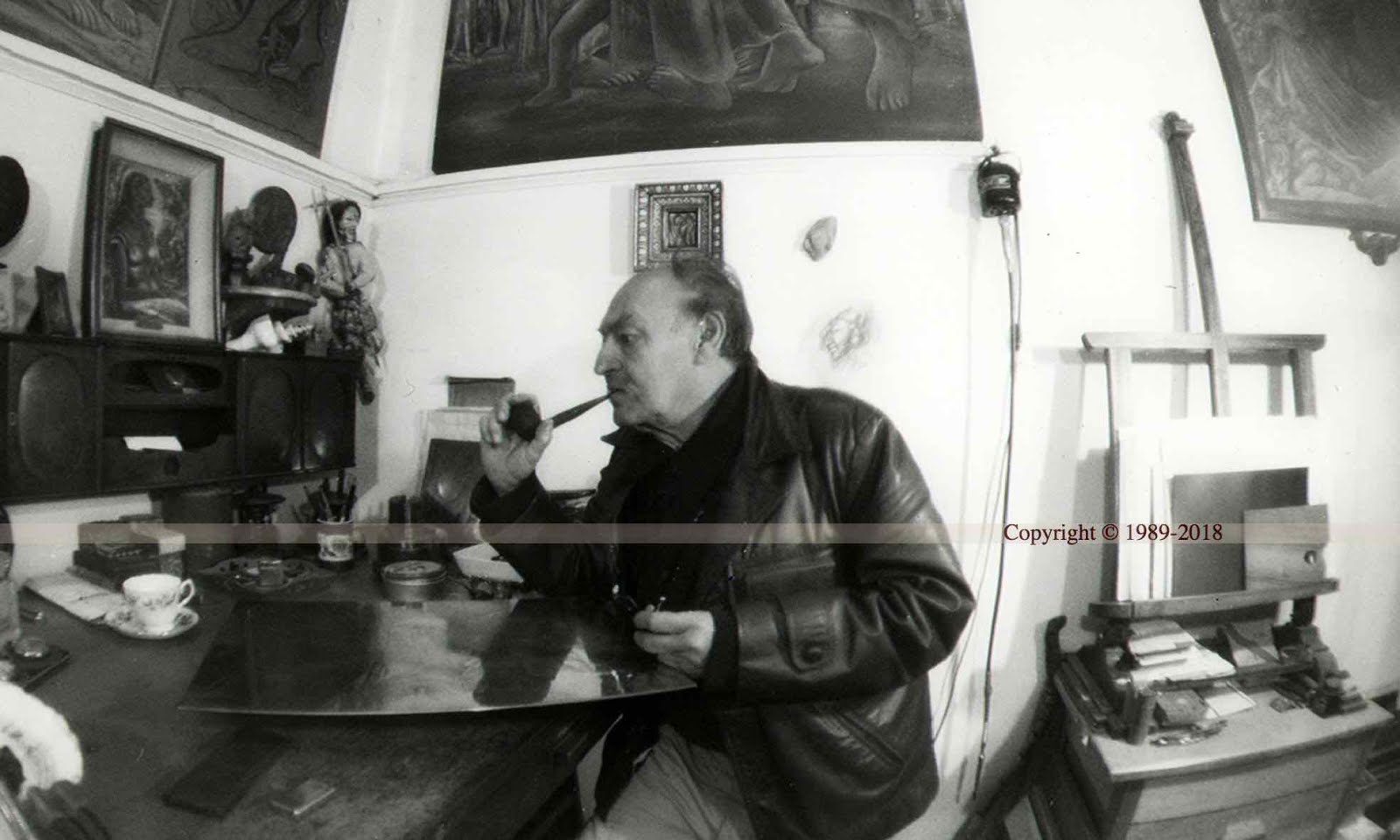
Fede mi hijo 1929-2013
Los Ángeles California 1 de mayo de 1929
Ciudad de México 31 de mayo de 2013


 The two-house compound where author April lives on an avenue in the Hollywood Hills has been home to her husband's family business, Stendahl Galleries, since 1940. For twenty years prior, Earl L. Stendahl provided the finest examples of Impressionist and Modern art to the elite of Los Angeles collectors from his renowned galleries on Wilshire Boulevard. Stendahl was lured to the Hollywood neighborhood by collector Walter Arensberg, who, with Stendahl's help, amassed what was called by an art historian in 1950 "the most discriminating single group of twentieth century paintings and sculpture in existence."
 Earl L. Stendahl was born in Menomonie, Wisconsin of Norwegian descent to a large family of confectioners. In San Diego, California, Stendahl began selling the works of local painters and opened his first gallery at the inauguration of the Ambassador Hotel in Los Angeles in 1921. Stendahl emerged as one of the most innovative and influential art dealers in Southern California. By the 1930s, the gallerist had established his reputation as the premier dealer in painters of the California Impressionist School. William Wendt, Guy Rose, Edgar Payne, Joseph Kleitsch and Nicolai Fechin were part of the early Stendahl stable of artists. Moving to larger quarters on Wilshire Boulevard, Stendahl introduced Modern art to the West Coast with works by Matisse, Chagall, Klee, Feitelson, Siqueiros, Cantú, Kandinsky, Braque and Picasso. In 1939 his gallery was one of only two non-museum venues in the U.S. to exhibit Pablo Picasso's masterwork, Guernica as a fundraiser for Spanish war orphans.


 "Indigenismo" es un discurso sobre los pueblos indígenas. Es específico de América Latina y se puede encontrar en prácticamente todos los países modernos de la región. El adjetivo "indigenista" se aplica a movimientos e ideas que abarcan muchos países y muchos campos, desde las artes y la literatura hasta la política y las ciencias sociales, especialmente la antropología. Aunque hay momentos precursores importantes en el período colonial y el siglo XIX, estos últimos a menudo agrupados bajo el nombre de "indianismo", las manifestaciones más significativas del indigenismo ocurrieron a principios y mediados del siglo XX y especialmente en México, Perú y Bolivia, donde era una característica del nacionalismo revolucionario. El indigenismo fue una parte importante de las vanguardias artísticas y de los movimientos políticos progesivos en el siglo XX, y si el indigenismo se convirtió o no en una cuestión de política estatal "oficial", los pensadores indigenistas jugaron un papel decisivo al colocar el llamado "problema del Indio "en el centro de los debates sobre la modernización y en hacer que" el indio "sea un elemento central de la identidad nacional.